Timeless Artistry for the Rugged Spirit

Why Full-Grain Vegetable-Tanned Leather Costs More—And Why It’s Worth Every Cent
The Pinnacle of Leather Craftsmanship
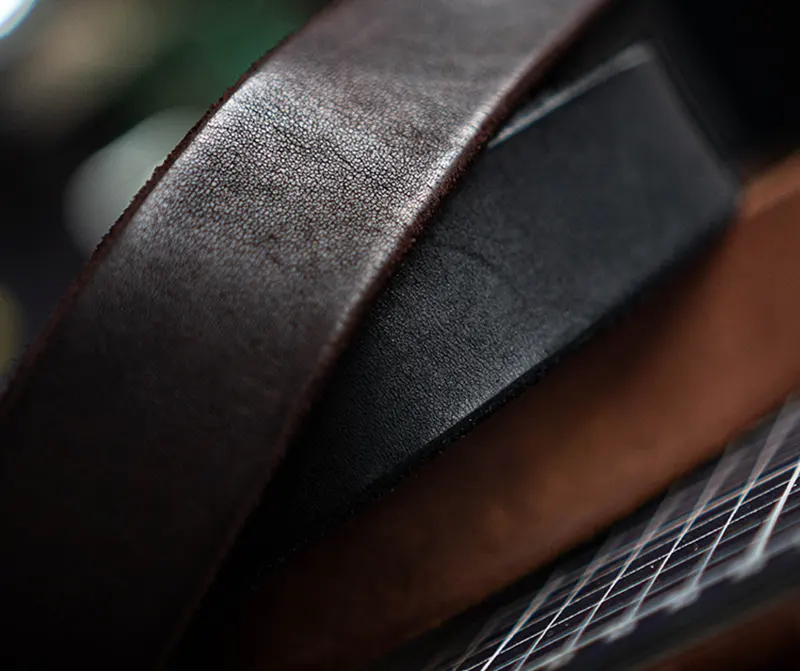
When it comes to leather, full-grain vegetable-tanned leather is in a class of its own.
- Cut from the top layer of the hide, it retains the natural grain and unmatched fiber strength.
- Tanned with plant-based tannins instead of harsh chemicals, it blends tradition, durability, and environmental responsibility.
Why the Price Tag Is Higher
⏳ Time-Intensive Process
Vegetable tanning takes 30–60 days, compared to just a few days for chrome tanning. Every stage—from soaking to drying—is monitored by skilled artisans.
🛠 Labor & Expertise
Only a handful of tanneries worldwide still use this method. Each hide is a testament to patience and precision, adding intrinsic cultural and monetary value.
A Leather That Improves With Time
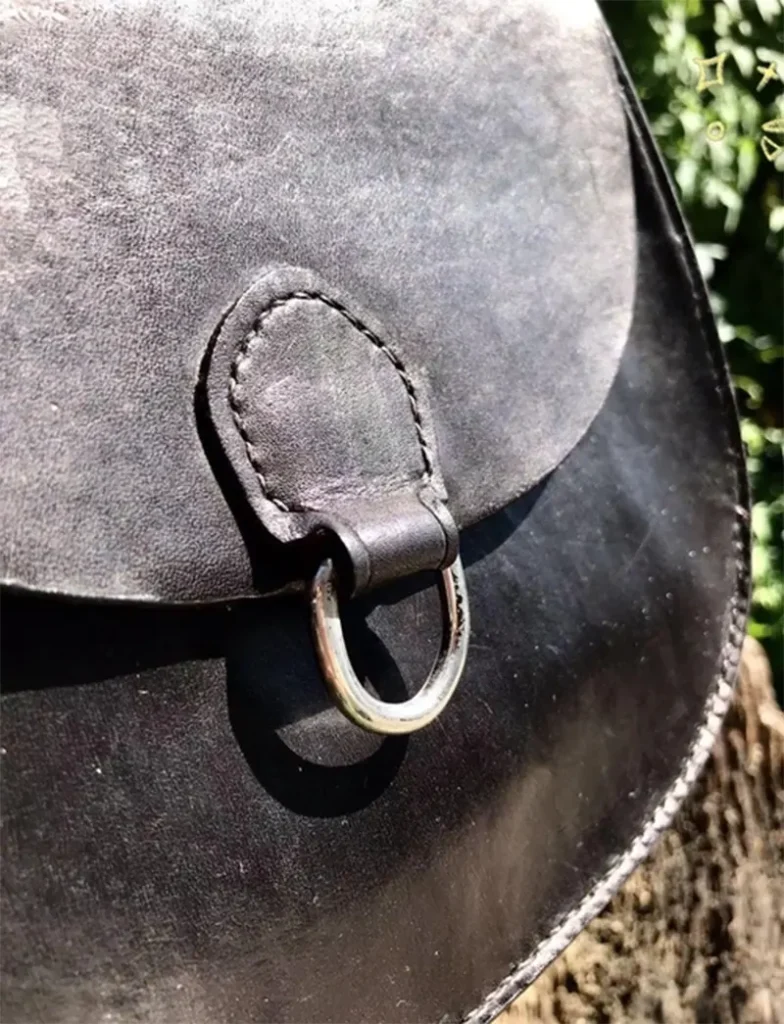
Unlike mass-produced leather that cracks or peels, full-grain vegetable-tanned leather develops a deep, rich patina.
- Starts firm, becomes supple with use
- Gains depth in color
- Tells a personal story with every mark
An Eco-Friendly Luxury
Chrome tanning leaves behind heavy metals and chemicals. In contrast, vegetable tanning:
- Uses natural tannins from tree bark, leaves, and fruit
- Produces fewer pollutants
- Supports more sustainable leather production
Is It Worth the Price?
If you value longevity, individuality, and craftsmanship, the answer is a resounding yes.
A full-grain vegetable-tanned leather belt or bag can last decades, aging beautifully and becoming uniquely yours.
💡 Long-term reckoning:
One $200 belt lasting 25 years = $8/year
Five $40 belts lasting 1–2 years each = $200+ wasted
🛒 Action Now
Invest once. Wear forever.
➡ [Shop Full-Grain Vegetable-Tanned Leather Goods]