Timeless Artistry for the Rugged Spirit

Vegetable-Tanned vs. Regular Leather: Key Differences Explained
Introduction: Understanding the Leather Landscape
Leather has been a staple in fashion and craftsmanship for centuries. Among the various types, vegetable tanned leather and regular leather stand out due to their unique characteristics and applications. This article delves into the differences between these two types, helping you make informed decisions for your leather needs.
What is Vegetable Tanned Leather?
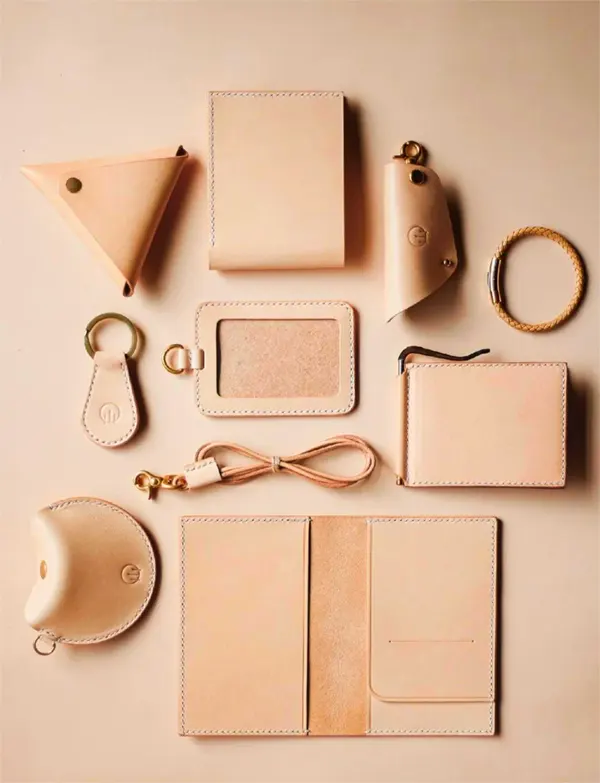
Vegetable tanned leather is produced using natural tannins extracted from plant materials like tree bark, leaves, and fruits. This traditional method is time-consuming but results in durable, eco-friendly leather that develops a rich patina over time.
Explore our vegetable tanned leather belts
What is Regular Leather?
“Regular leather” typically refers to chrome-tanned leather, which uses chromium salts and other chemicals in the tanning process. This method is faster and more cost-effective but has environmental drawbacks and doesn’t age as gracefully as vegetable-tanned leather.
Key Differences Between Vegetable Tanned and Regular Leather
| Feature | Vegetable Tanned Leather | Regular (Chrome-Tanned) Leather |
|---|---|---|
| Tanning Process | Natural tannins from plants | Chemical-based (chromium salts) |
| Time Required | Several weeks | 1-3 days |
| Eco-Friendliness | High | Low |
| Aging & Patina | Rich, darkens over time | Minimal, less character |
| Durability | Very durable, firm feel | Softer, more flexible |
| Cost | Generally higher | Usually lower |
Learn more about how full-grain leather ages beautifully
Applications in Leather Goods
- Vegetable Tanned Leather: Used in belts, wallets, saddlery, and artisanal leather goods.
- Regular Leather: Common in mass-produced bags, shoes, and garments where flexibility and speed are priorities.
Pros and Cons
Vegetable Tanned Leather
- ✅ Eco-friendly
- ✅ Ages beautifully
- ✅ Holds tooling and stamping
- ❌ Higher cost
- ❌ Less water-resistant initially
Regular Leather
- ✅ Affordable
- ✅ Soft and pliable
- ✅ Water-resistant
- ❌ Contains heavy metals
- ❌ Lacks unique aging character
How to Choose Between the Two
If you’re looking for a natural, sustainable material that develops personality with time, vegetable tanned leather is ideal. If you prioritize affordability and flexibility, regular leather may suit your needs better.
Discover our guide to genuine leather care
Final Thoughts
Both vegetable tanned and regular leather have their place in the world of craftsmanship. Understanding their properties helps you select the right leather for your lifestyle and values.
Shop our collection of hand-finished leather goods crafted from premium hides.