Timeless Artistry for the Rugged Spirit

Synthetic Leather vs. Real Cowhide: What Are the Hidden Trade-Offs?
Why This Comparison Matters
In today’s market, many products labeled as “leather” are actually synthetic—made from plastic polymers like PU or PVC.
But real cowhide, especially full-grain leather, stands apart not only in material quality but also in durability, lifespan, and comfort.
Durability and Aging: Time Reveals the Difference
- Synthetic leather often cracks, peels, and hardens over time, especially in dry or hot climates.
- Real cowhide becomes softer, more supple, and develops a rich patina—a unique character with age.
A high-quality full-grain leather belt can last 10+ years with proper care, far outlasting most synthetics.
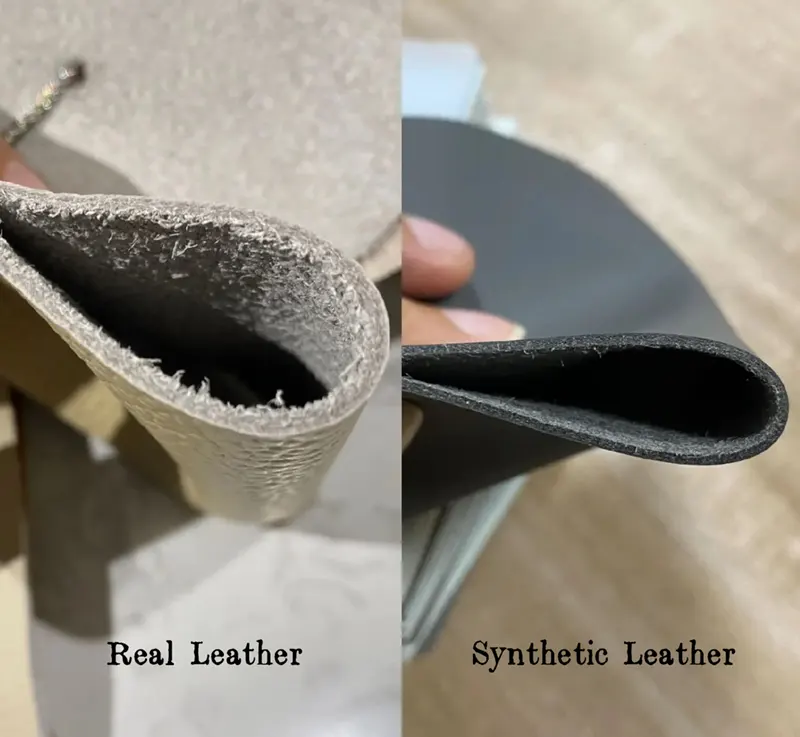
Texture and Feel: Organic vs. Artificial
- Synthetic leather has a uniform, plastic-like texture—smooth but lacking depth.
- Real cowhide features natural grain, pores, and subtle imperfections that give it warmth and luxury you can feel.
Breathability and Comfort: Why It Matters
- Synthetic leather is non-breathable, trapping heat and moisture, leading to discomfort during long wear.
- Cowhide leather is naturally porous, allowing air circulation that keeps belts and shoes cooler and more comfortable.
Environmental Footprint: The Vegan Myth
- Many assume synthetic leather is more eco-friendly. But PU and PVC come from petroleum, take centuries to degrade, and release toxic fumes when burned.
- In contrast, vegetable-tanned cowhide leather is biodegradable, ages gracefully, and if responsibly sourced, has a much smaller environmental impact.
Price: Short-Term Saving or Long-Term Value?
- Synthetic leather is cheaper upfront, but often needs replacing every few years.
- Investing in one full-grain leather belt means lasting a decade or more, making it more cost-effective over time.
Conclusion: Choose What Truly Lasts
When you buy leather, choose integrity—not imitation. Real cowhide offers durability, comfort, and environmental responsibility that synthetic simply cannot match.
Next time you see a “leather” product, ask yourself—is it plastic pretending to be tradition?